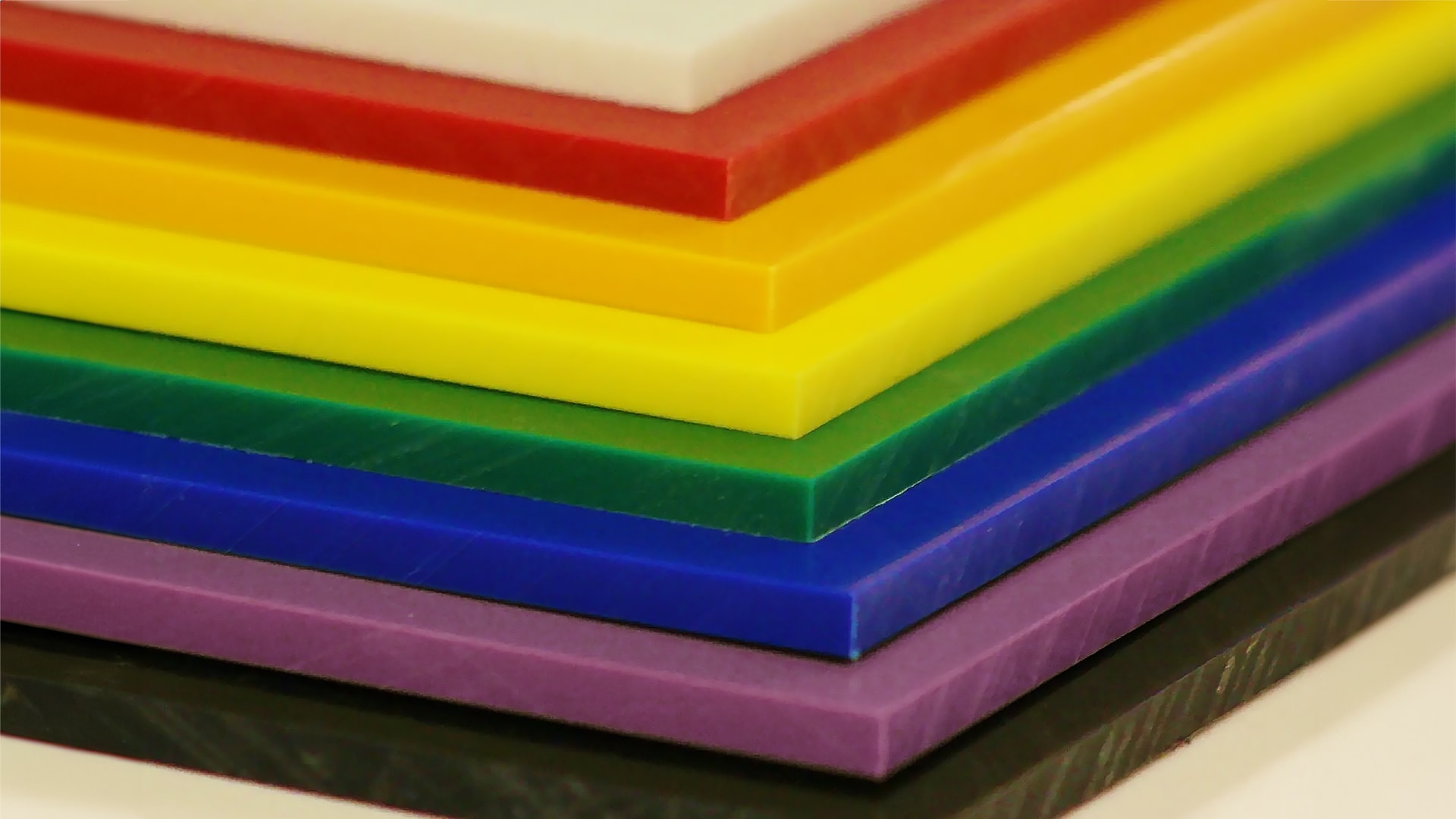
Plásticos HDPE - Guía de Fresado CNC
Avance, velocidad del cabezal, profundidad de corte, tipo de fresa: descubre todos los consejos que necesitas para fresar HDPE de forma eficaz con tu máquina CNC.

Quentin Liard
Community Manager
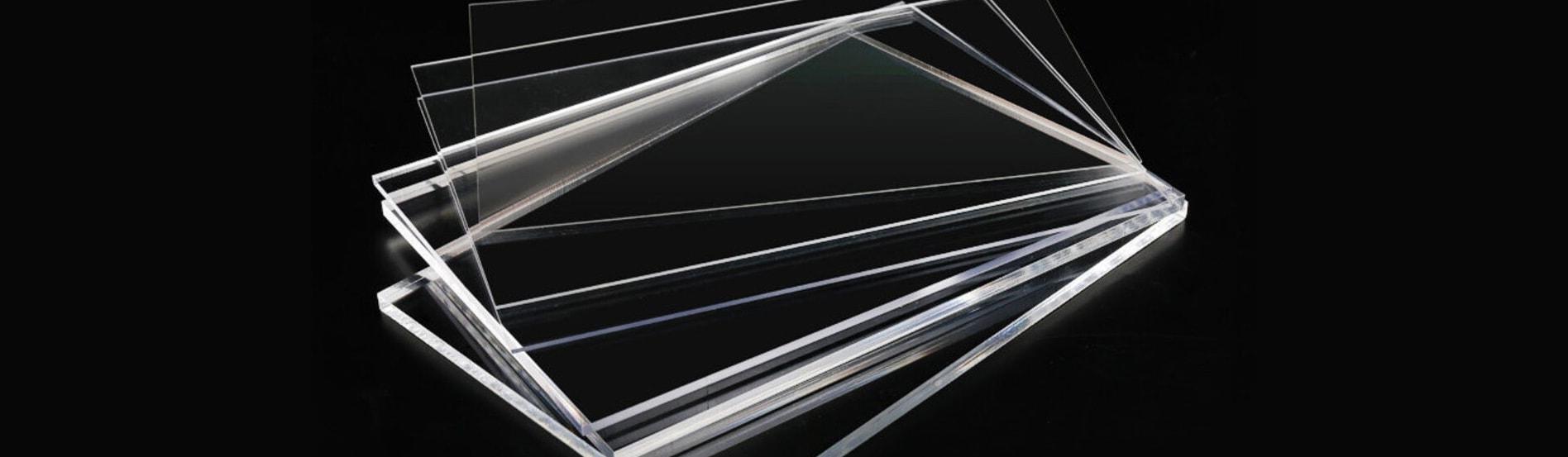
El PMMA significa Polimetil Metacrilato, comúnmente conocido como acrílico o Plexiglas. Es un termoplástico transparente con propiedades que lo hacen adecuado para una variedad de aplicaciones.
El PMMA es un buen material para fines de fresado, especialmente cuando la transparencia y la facilidad de mecanizado son consideraciones importantes.
La EVO puede cortar PMMA muy bien, pero tendrás que tener mucho cuidado con las herramientas y los parámetros de corte, ya que es menos indulgente que la mayoría de los materiales.
El PMMA tiene un punto de fusión relativamente bajo, por lo que se debe tener cuidado para evitar el calor excesivo durante el fresado y así prevenir la fusión y la deformación. Normalmente, esto se logra aumentando el avance, pero como el PMMA es bastante duro, la EVO no debería funcionar demasiado rápido en él.
Si obtienes plásticos derretidos, también puedes reducir la velocidad del husillo.
Recomendamos usar una fresa de 1 labio (2 también está bien) para reducir el avance, y usar una profundidad de corte y/o un paso lateral bajos para ser suave con el eje de la EVO.
Usar un compresor de aire para evacuar las virutas durante el fresado también es una buena idea, ya que la principal preocupación es que las virutas se derritan y obstruyan la herramienta.
Prueba siempre con parámetros seguros y auméntalos progresivamente para encontrar el punto óptimo para tu propia configuración.
El fresado de PMMA es menos indulgente que la mayoría de los materiales, por lo que se debe tener especial cuidado al programar tu CAM. Con algunas pruebas, puedes lograr resultados perfectos en la PRO y la FAB.
El PMMA tiene un punto de fusión relativamente bajo, por lo que la principal preocupación es evitar el calor excesivo durante el fresado. Normalmente, esto se logra aumentando el avance, pero ten cuidado de no ir demasiado rápido, ya que el PMMA es un material duro.
Si obtienes plásticos derretidos, también puedes reducir la velocidad del husillo.
Recomendamos usar una fresa de 1 labio (2 también puede estar bien) que tenga una mejor evacuación de virutas y para reducir el avance.
Usar un compresor de aire para evacuar las virutas durante el fresado también es una buena idea para limpiarlas y ayudar con la refrigeración de la herramienta.
Recomendamos probar parámetros "seguros" y aumentarlos progresivamente para encontrar el punto óptimo para tu propia configuración.
Aquí puedes encontrar un enlace a una calculadora de avances y velocidades para los materiales más clásicos, y valores seguros adaptados a cada una de nuestras máquinas.
CALCULADORA DE AVANCES Y VELOCIDADES CNC DE MEKANIKA
NOTA IMPORTANTE: esto está hecho para ayudarte a encontrar parámetros para tu fresado, pero siempre debes pensar por ti mismo e introducir parámetros de corte que se ajusten a tu propia configuración.
Calcular los valores teóricos en esta tabla es fácil, pero muchos parámetros en tu configuración pueden hacer que no sean adecuados para tu caso. Empieza siempre con un bajo compromiso y velocidad, y prueba parámetros más profundos/rápidos progresivamente.
Mekanika es una empresa belga con sede en Bruselas cuya ambición es hacer que la producción local sea más accesible gracias a un enfoque 100% de código abierto.
Diseñamos y producimos máquinas de alta calidad para fresado CNC y serigrafía, reconocidas por su fiabilidad y facilidad de uso. Nuestras herramientas se entregan como kits y están completamente documentadas, lo que permite adaptarlas fácilmente a necesidades específicas.
Visita nuestra tienda para saber más, o consulta nuestros recursos y tutoriales en línea para seguir aprendiendo.
Avance, velocidad del cabezal, profundidad de corte, tipo de fresa: descubre todos los consejos que necesitas para fresar HDPE de forma eficaz con tu máquina CNC.
Quentin Liard
Community Manager
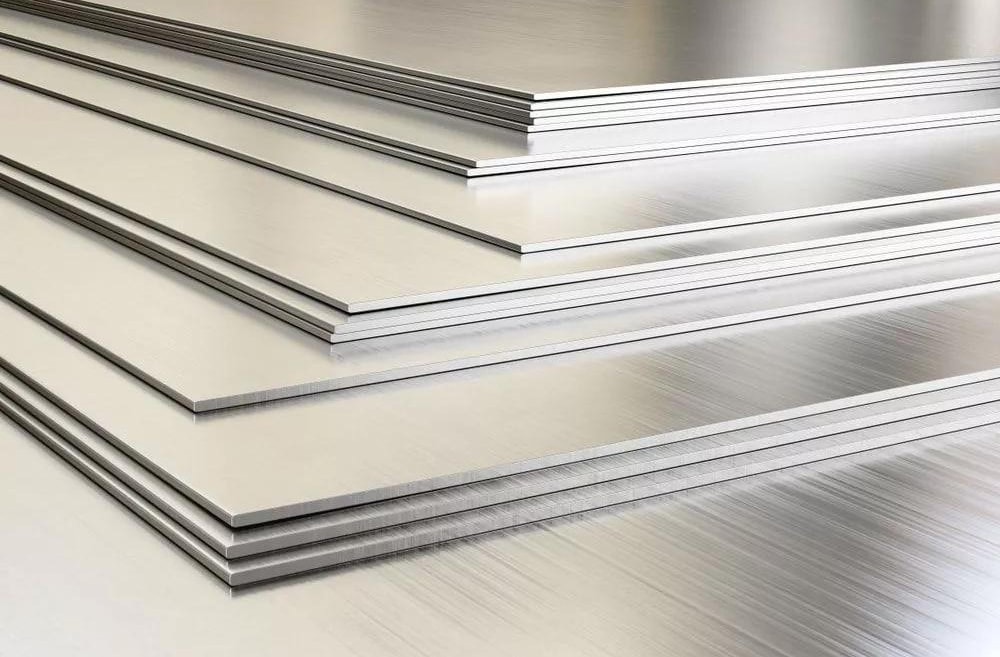
Avance, velocidad del husillo, profundidad de corte, tipo de fresa: descubre todos los consejos que necesitas para fresar aluminio de forma eficaz con tu máquina CNC.
Quentin Liard
Community Manager
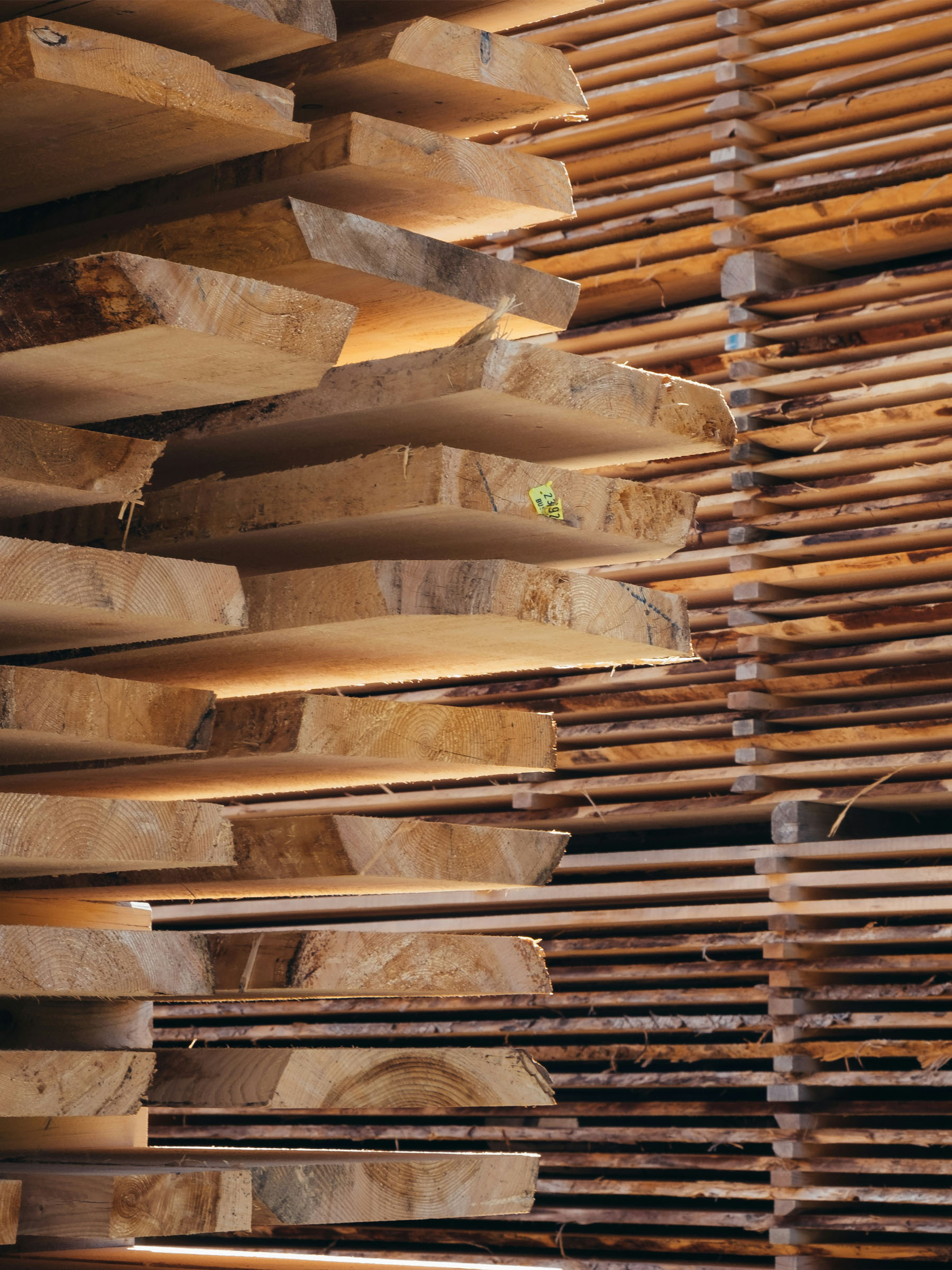
Velocidad de avance, velocidad del husillo, profundidad de corte, tipo de fresa: descubre todos los consejos que necesitas para fresar maderas blandas de forma eficaz con tu máquina CNC.
Quentin Liard
Community Manager